Solve a yard problem
Solve My Yard Problem
Know the problem but not the fix? Start here. No technical terms needed.
Start with the problem
What’s going on with your yard?
You don’t need the technical terms. Pick what you’re seeing, and we’ll show what usually causes it, what can help, and how to get it looked at.
My yard holds water
Standing water after rain, soggy spots, or water heading toward the house.
Common causes
- Low spots where the ground has settled
- Grade that slopes toward the house or lanai
- Compacted soil, or downspouts dumping in one place
What can help
- Regrading low areas with fill dirt, finished with topsoil
- A French drain with #57 stone where water needs a path out
- Redirecting downspouts and shaping swales
What you can check yourself
- How long the water stays: hours, or days after the rain stops
- Whether it collects in one low spot or spreads along a line
- Where your downspouts and gutter outlets end up
- Whether the ground slopes toward or away from the house
The right fix depends on where the water comes from and where it can go. We look at the site before recommending one. Large jobs, or work near waterways, may need permits or an engineer.
When it is worth having us look: Worth a site visit when water sits for more than a day, reaches the house or lanai, or there is no obvious lower ground for it to go to.
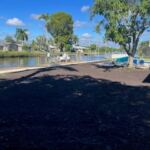
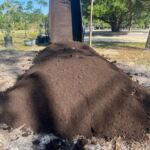
Seen in our work: Canal-Front Backyard: Regrade & New Sod
My driveway is washing out
Ruts, bare spots or stone washing into the street on a shell or rock drive.
Common causes
- Thin surface material over soft ground
- No compacted base underneath
- Runoff crossing the driveway
What can help
- Re-topping with shell or limestone
- Adding a compacted base where the drive keeps rutting
- Edging, or steering water around the drive
What you can check yourself
- Whether the dips follow the wheel tracks or appear in one fixed spot
- Whether the surface is firm or spongy after rain
- Where material has washed to, and whether the drive has a crown
- How deep the loose material is at the edge compared with the middle
A fresh top layer fixes appearance. If the ground underneath is the problem, a base or drainage work may also be needed.
When it is worth having us look: Worth a site visit when ruts come back within months of a top-up, or the drive stays soft after rain: that is a base or drainage issue, not a surface one.
 Medium Shell$65.00 / cu yd
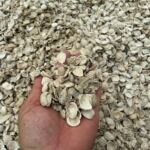 Small Crushed Shell$70.00 / cu yd
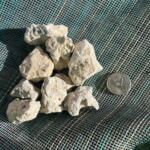 #57 Limestone$65.00 / cu yd
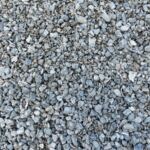 #89 Limestone$70.00 / cu yd
Seen in our work: RV Parking Pad at a Home
I need more privacy
Open views to neighbors, the street or a busy lot line.
Common causes
- Few layers of planting between you and the view
- Hedges that have thinned out or died back
What can help
- Hedges and screening shrubs sized to grow into the space
- Palms and layered beds to soften sightlines
- Planting plans that account for sun, salt and irrigation
What you can check yourself
- Which windows or sitting areas are exposed, and from where
- How much room there is for a hedge to reach mature width
- How much sun the spot gets through the day
- Whether irrigation already reaches the planting line
Plants take time to fill in. We will talk through mature size, spacing and any HOA rules before recommending plants.
When it is worth having us look: Worth a site visit for anything larger than a short run of hedge, because spacing, mature size and irrigation all have to work together.

My landscaping is overgrown
Hedges over the windows, dead fronds, weeds taking over the beds.
Common causes
- Missed seasons of trimming
- Plants that outgrew their space
- Dead or declining plants left in place
What can help
- Palm, hedge and shrub trimming
- Clearing dead plants, weeds and debris
- Refreshing beds with mulch or shell afterward
What you can check yourself
- Which plants are simply overgrown and which are actually dead
- How much material would need hauling away
- Whether beds still have an edge, or have merged into the lawn
- Access for equipment: gates, slopes and soft ground
Photos of each area let us quote a cleanup accurately.
When it is worth having us look: Photos are usually enough to quote a cleanup. A visit helps when tree work, stumps or heavy hauling are involved.
Seen in our work: Lakefront RV Lot Refresh
My RV lot needs cleaned up
Getting the lot ready for the season, or keeping it up while you are away.
Common causes
- Months of growth while you were away
- Dirty pads, sheds and walkways
- Beds that need fresh mulch or shell
What can help
- Trimming, weeding and debris haul-off
- Pressure washing pads and walkways
- Fresh mulch, shell or rock, and irrigation checks
What you can check yourself
- How long the lot has been unattended
- The state of the pad, walkways and shed surfaces
- Whether the surface material has thinned or spread
- What the resort or association expects for lot upkeep
Recurring lot care is available for owners who are away part of the year.
When it is worth having us look: Photos work well here, especially for owners out of state. A visit makes sense before recurring care starts so the scope is agreed.
Seen in our work: Lakefront RV Lot Refresh
My irrigation isn't working
Dry spots, broken heads, a zone that will not come on, or water on the driveway.
Common causes
- Broken, clogged or misaimed heads
- Zones or controllers that are not running
- New beds or pavers that changed coverage
What can help
- Checking each zone for coverage and pressure
- Repairing, re-aiming and re-nozzling heads
- Drip for beds where it fits
What you can check yourself
- Whether one zone is weak or all of them are
- Heads that are blocked, sunken, tilted or missing
- Wet or unusually green patches that suggest a leak
- Whether the controller and rain sensor are actually working
We will need to run the system to find the cause, so the first step is usually a system check.
When it is worth having us look: Almost always worth running the system with someone there. Pressure, coverage and valve faults are hard to judge from photos.
I want landscape lighting
Palms, the entry, paths or the patio, lit so the property looks good after dark.
What can help
- Uplighting for palms and trees
- Path, entry and bed lighting
- A layout that avoids glare into windows or neighbors' yards
What you can check yourself
- Which areas feel unsafe or unused after dark
- Where power is already available
- Which trees, palms or features are worth lighting
- Whether existing fixtures are failing or simply aimed badly
Low-voltage lighting needs a nearby outdoor outlet for the transformer. Photos of the area (day and night if you can) help.
When it is worth having us look: An evening walk-through is the useful visit here, because the fix is often aiming and glare rather than more fixtures.
I need rock, shell, soil or another material
You know the job, and you need the material delivered.
What can help
- Topsoil, compost, fill, limestone, shell, sand, paver base, rip rap and mulch by the cubic yard
- Quantity help with the calculator
- Delivery to your driveway or job site (3 yard minimum)
What you can check yourself
- The area in feet: length and width
- How deep you want the material to sit
- Where a truck can reach and unload
- What is there now, and whether it needs removing first
Not sure which material fits? Try the material finder.
When it is worth having us look: No visit needed for most deliveries. Measurements and a photo of the drop spot are enough.
I have an erosion problem
Washouts along a slope, ditch, swale, pond edge or outlet.
Common causes
- Moving water hitting bare soil
- Runoff concentrated in one spot
What can help
- Rip rap to armor outlets, swales and slopes
- Regrading or redirecting runoff
- Re-establishing ground cover
What you can check yourself
- Where the water enters and leaves the area
- Whether soil is moving in a channel or sheeting off a slope
- How steep the bank is and what is holding it now
- Whether the washout reaches a seawall, pond or waterway
Stone size and placement depend on the water flow. Work on shorelines or waterways may need permits or engineered plans. We will tell you if that applies.
When it is worth having us look: Worth a site visit. Stone size depends on the water, and work near a waterway may need permits before anything is placed.
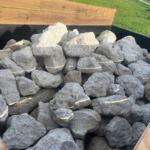
Seen in our work: Seawall Rock Border Beside a Pool Cage
I want to improve my landscaping
A fresh look, better curb appeal, or a plan you can do in phases.
What can help
- A landscape plan for planting, beds, lighting and hardscape
- Installation by the crew that plans it
- Phasing so the work fits your budget
What you can check yourself
- Which parts of the yard you already use, and which you avoid
- What you like and dislike about it as it stands
- Sun and shade through the day
- Any HOA or ARC rules that apply to visible changes
Start with photos and what you like or dislike about the yard now.
When it is worth having us look: A visit is normally part of design work, because grade, drainage, sun and existing planting all shape the plan.
Seen in our work: Canal-Front Backyard: Regrade & New Sod
My yard is uneven or has low spots
Dips that hold water, ankle-turning hollows, or ground that has sunk since the house was built.
Common causes
- Ground settling over years, especially over old fill or backfill
- Washouts where water runs across the same line
- Ruts from vehicles, equipment or heavy foot traffic
- Old stumps, trenches or debris breaking down below the surface
What can help
- Filling and regrading with fill dirt, finished with topsoil and sod
- Topdressing shallow dips so the grass grows back through
- Fixing what caused it first where water is involved
What you can check yourself
- Whether the dip holds water after rain, and for how long
- Whether it is one hollow or a line across the yard
- How deep it is at the middle compared with the edges
- Whether anything was buried or removed there in the past
Filling a low spot that is low because water collects there only moves the problem. We look at where the water goes before adding material.
When it is worth having us look: Worth a site visit when the area is large, holds water, or keeps sinking after it has been filled before.
Seen in our work: Canal-Front Backyard: Regrade & New Sod
My pavers are sinking or uneven
A dip in the patio, a rocking paver, ruts in a paver driveway, or a low corner by a downspout.
Common causes
- Water running under an unrestrained edge and washing out the bedding sand
- Not enough compacted base, or base that was never compacted in layers
- Soft or organic material buried underneath that keeps breaking down
- A trench for irrigation, electric or drainage that was backfilled loose
What can help
- Lifting the affected pavers, rebuilding and compacting the base, then resetting them
- Restoring the edge restraint so the field cannot spread
- Handling the water first where runoff is the cause
What you can check yourself
- Whether the dip is a narrow line, a corner, or a general sag
- Whether it is near a downspout, a roof valley or the end of a slope
- Whether the edge of the paver field has a solid restraint
- Whether joints have lost their sand
Packing sand under a sunken paver is the repair that comes back, because it leaves the cause in place.
When it is worth having us look: Worth a site visit for anything beyond a couple of pavers, because the repair depends on what is under them.
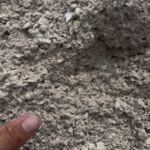
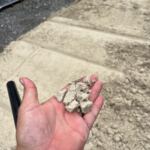
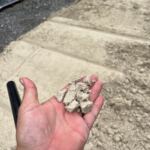
Seen in our work: Paver Walkway & Retaining Wall Pressure Washing
Weeds in my rock, or the rock is disappearing
Weeds coming up through stone or shell, and a layer that looks thinner every year.
Common causes
- Fine material and leaf litter collecting between the stones, which is where most weeds start
- Stone pressing down into soft sand under foot and vehicle traffic
- No edge, so material spreads into the lawn
- A layer too thin to block light from the soil
What can help
- Topping up to a consistent depth rather than patching bare spots
- Edging so the material stays where it was put
- Clearing leaves and clippings off the bed before they break down into a seedbed
- Fabric under decorative stone where nothing needs planting
What you can check yourself
- Whether weeds are rooted in debris on top or coming from below
- How deep the remaining layer is
- Whether there is a defined edge
- Whether the area also stays wet, which changes what will grow
Landscape fabric separates rock from soil. It does not stop weeds that germinate in the material collecting on top.
When it is worth having us look: Usually quotable from photos and the area size. A visit helps when the beds also need reshaping or edging.
- Small Crushed Shell$70.00 / cu yd
- Medium Shell$65.00 / cu yd
- #57 Limestone$65.00 / cu yd
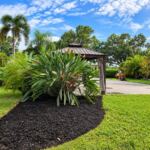 Mulch$50.00 / cu yd
Seen in our work: Lakefront RV Lot Refresh
My plants struggle in sandy soil
Plants that never take off, beds that dry out hours after watering, or thin patchy turf.
Common causes
- Sandy soil that holds very little water or nutrition
- A thin growing layer over builder sand or fill
- Watering little and often, which keeps roots shallow
- Plants placed where the sun, salt or drainage does not suit them
What can help
- Working compost into beds so the soil holds moisture and nutrients
- A proper depth of screened topsoil before sod or new planting
- Mulch to shade the soil and slow drying
- Adjusting irrigation to fewer, longer cycles for established plants
What you can check yourself
- Dig a few inches down beside a struggling plant: is it dry and dusty, or wet and sour?
- How deep the dark soil layer is before it turns to plain sand
- Whether the same plants do better elsewhere in the yard
- Whether the area drains fast or stays wet
Sandy soil is normal here. The fix is usually building the soil and adjusting water, not replacing the plants.
When it is worth having us look: Photos and a description usually get you started. A visit makes sense before replanting a whole bed.
Water collects around my lanai or pool deck
A puddle along the slab after every storm, soggy ground at the cage, or runoff crossing the patio.
Common causes
- Ground beside the slab that has settled flat or tips back toward the house
- Beds built up over the years until they sit higher than the lawn
- Downspouts or screen-cage runoff landing in one spot
- Compacted soil along a strip that gets walked on constantly
What can help
- Regrading the strip so it falls away from the slab
- Redirecting downspout and cage runoff away from the corner
- A swale or French drain where the grade cannot be changed
- Replanting once the water is handled
What you can check yourself
- Where the water arrives from during a storm
- How far the puddle extends and how long it lasts
- Whether the beds against the house sit higher than the lawn
- Where the downspouts end
The outlet matters more than the drain. Water needs somewhere sensible and legal to go before anything is installed.
When it is worth having us look: Worth a site visit. Slab edges, cage footings and flat lots need to be seen before anyone promises a fix.
Seen in our work: Canal-Front Backyard: Regrade & New Sod
I'm not sure what I need
Something is not right, or you are not sure where to start.
What can help
- Send a few photos and describe what you are seeing
- We will tell you what it likely involves and the next step
What you can check yourself
- Photos of the area from a few angles
- A photo during or just after heavy rain, if water is involved
- Roughly how big the area is
- What you would like it to be like
No technical terms needed. Your own words are fine.
When it is worth having us look: Send what you have. We will tell you whether it needs a visit before anything is quoted.
Or point to it
Where on the property?
An illustration, not your home. Pick an area to jump to the matching problem.
Tap the part of the yard you're thinking about. This drawing is only an illustration, not your property.
The easiest way to get help
Send us photos.
A few photos of the area tell us more than a long description. Snap them on your phone, add a sentence or two, and we’ll follow up with what it likely involves and the next step.
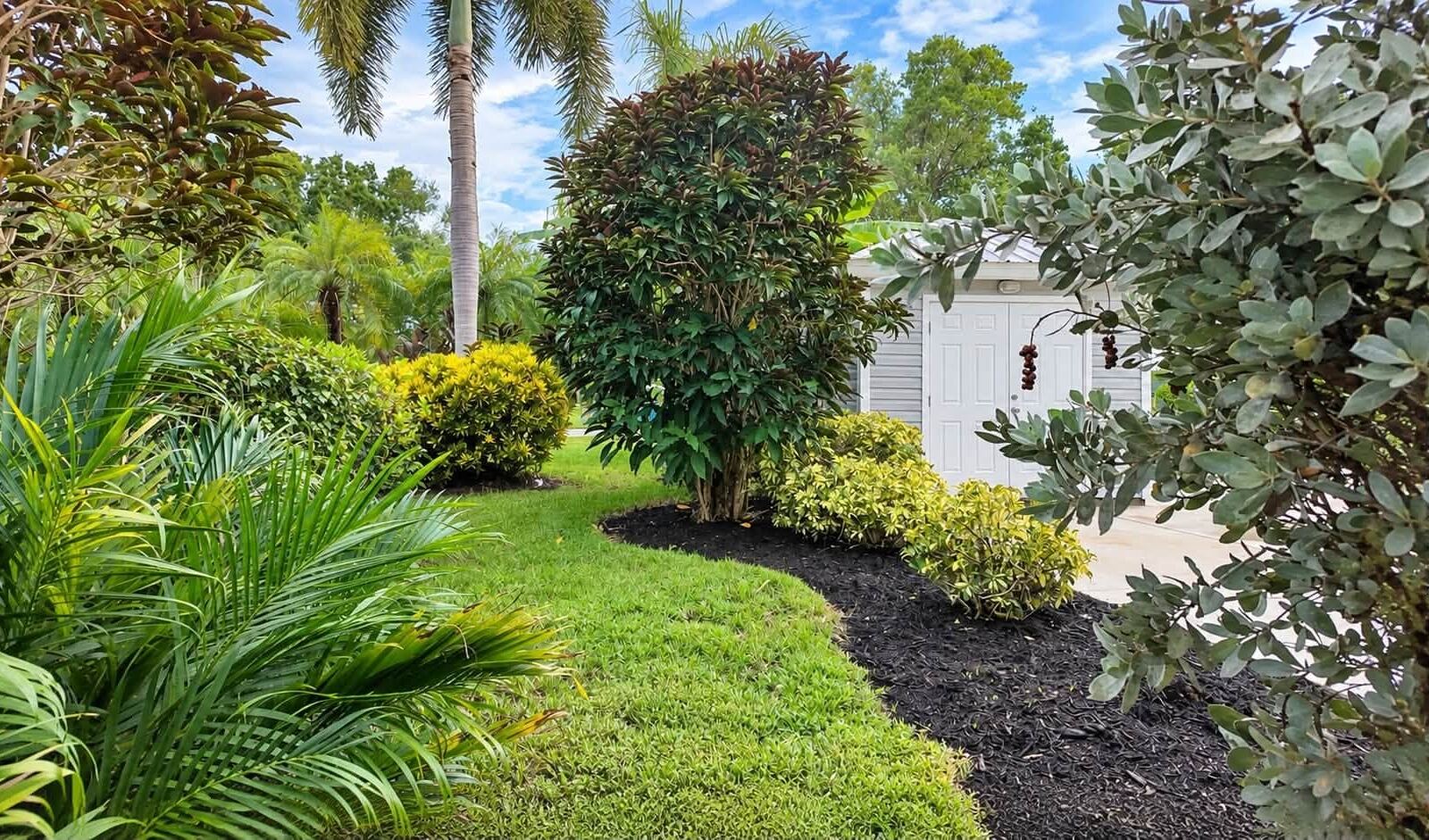
A note on diagnosis
This page is general guidance. Many yard problems, especially drainage and erosion, have more than one cause, and the right fix depends on the site. We’ll tell you when something needs a closer look, and when a job needs a permit or an engineer instead.
Not sure where to start?
Describe it in your own words and add a few photos. We'll take it from there.