Bulk materials
Organic Compost
Bulk organic compost to improve sandy Southwest Florida soil in beds, gardens and lawns.
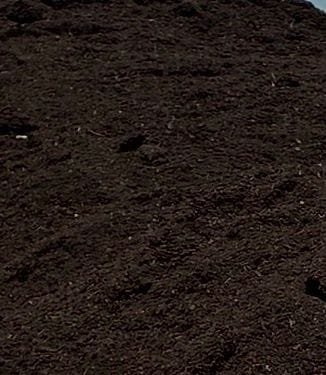
What it is
Compost adds organic matter that helps sandy soil hold moisture and nutrients and supports healthier roots. It works best mixed into existing soil rather than used alone as deep fill.
Common uses
- Blending into planting beds before installing plants
- Preparing new vegetable and flower gardens
- Top-dressing established lawns
- Improving soil around existing landscape plants
In plain English
Organic Compost, explained without the jargon
Written for anyone who has never ordered bulk material before. If your project sounds different to what you read here, tell us about it and we will talk it through.
What it looks like
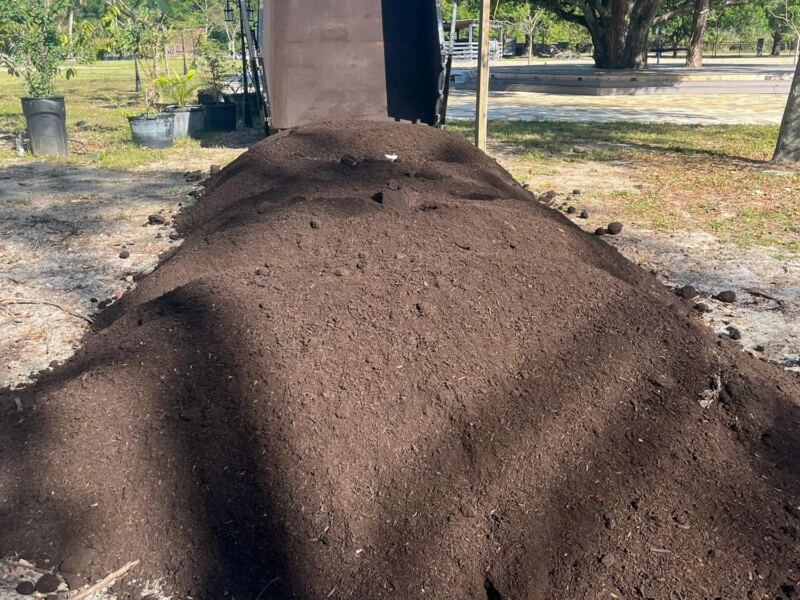
Very dark, crumbly and soil-like, with visible pieces of broken-down plant material. It smells earthy, not sour.
How big the pieces are
Fine and loose, closer to damp coffee grounds mixed with short fibers than to soil with stones in it.
What it is like to walk or drive on
Light and springy. It is an ingredient for beds, not a surface to walk on.
What it is normally used for here
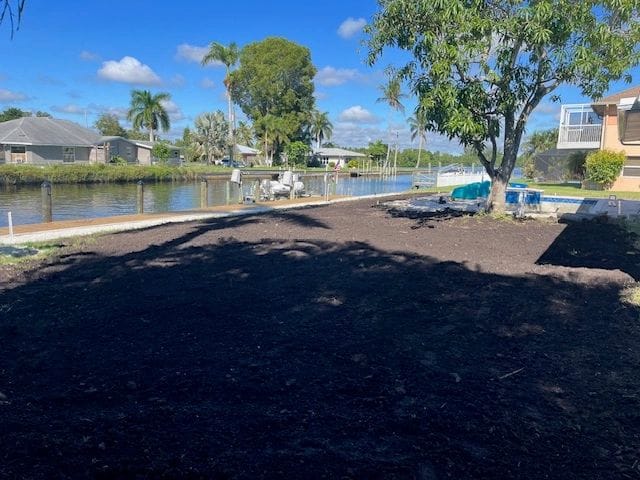
Mixing into sandy beds before planting, vegetable and raised beds, and topdressing tired lawns and shrub beds.
How it handles water
Holds water and nutrients that plain Florida sand lets straight through. It is usually blended into the existing soil rather than laid on its own.
When not to use it
Not for filling or leveling, and usually not as a stand-alone growing medium: for many plants it stays wetter than the roots want.
What it gets confused with
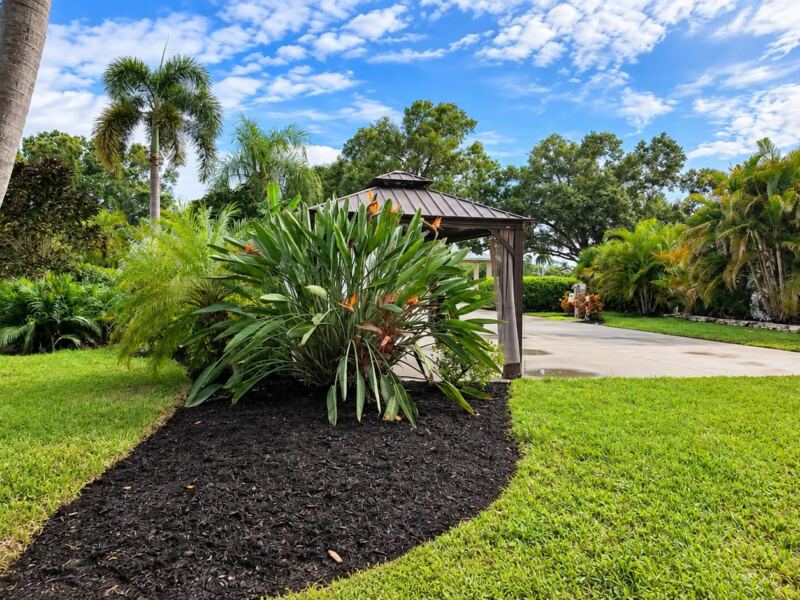
Topsoil. Compost is the amendment you mix in; topsoil is the body of soil you plant into. Mulch is different again, and stays on the surface.
How it changes over time
Keeps breaking down and loses volume, so beds that were topped up with compost usually need it again within a year or two.
Sizes are approximate. Crushed stone and shell are screened rather than cut to size, so every load holds a range of pieces and some dust.
Planning your order
How much organic compost do you need?
Measure the area and decide how deep the compost will be worked in. The right amount depends on the existing soil, the depth and the square footage.
As a general rule, one cubic yard covers about 100 square feet at 3 inches deep. Coverage changes with depth and material, so use the calculator for your numbers and we will confirm before delivery.
Before you order: a quick checklist
- Measure the length, width and planned depth. The calculator turns them into cubic yards.
- Consider depth. It changes the quantity more than most people expect. We can advise on depth for the job.
- Pick the drop spot: a firm, reachable place close to where you will use the material.
- Check access: gates, soft ground, low wires or branches and tight turns. Delivery checklist.
- Check community rules on bulk deliveries and materials if you have an HOA.
- Deliveries have a 3 cubic yard minimum, and the delivery fee is set by ZIP code.
Delivery
Delivered to your driveway or job site.
We deliver to accessible driveways and job sites across Fort Myers and Southwest Florida. Let us know about gates, soft ground, low wires or HOA rules when you request a quote.
- 3 cubic yard minimumDelivered by the yard to your driveway or job site.
- Typically 3–5 daysNext-day is often available, depending on material and routing.
- Fee set by ZIP codeQuoted up front, before your order is confirmed.
- Fort Myers basedDelivering across Lee County and Southwest Florida.
Guides
Before you order
Related materials
You may also need
Need Organic Compost delivered?
Send the address, measurements and how you will use it. We will confirm the yardage, price and delivery fee.