Materials
Landscape Material Calculator
Enter your area and depth to estimate how many cubic yards to order. We confirm quantities before delivery.
That is under our 3 cubic yard delivery minimum. We can still help. Mention it in your request and we will talk through options.
Next: add it to your project. Adjust the quantity if you like, or leave it blank if you are not sure and we will help work it out.
Rather ask us directly?
Request Current Pricing & DeliveryEnter measurements and a depth greater than zero.
Already know how many cubic yards? See what it covers
Results are rounded to two decimal places. Actual material requirements can vary with grading, compaction, settling and site conditions, so we confirm quantities before delivery.
How to measure
- Length and width in feet. Measure the area you plan to cover.
- Depth in inches. Choose the depth for the material and job. Mulch is often 2–3 inches. Base layers and fill run deeper.
- Irregular areas. Split them into rectangles, calculate each one and add the results.
Allow for real-world conditions
Grade, compaction, settling and uneven ground change the amount needed. The calculator shows the base volume and, separately, an optional 10% allowance so work does not stop before the area is finished. Choose the quantity you want to request.
Confirm before delivery
Call (239) 295-8266 or send a request with your measurements, material and address. We will check the estimate, talk through truck access and quote the delivery.
Minimum delivery is 3 cubic yards.
The math, in the open
How the calculation works
Bulk landscape material is sold by the cubic yard, but you measure your yard in feet and inches. The conversion is one line of arithmetic, and the calculator above simply does it for you:
Square feet × depth in inches ÷ 324 = cubic yards.
The 324 comes from the size of a cubic yard. One cubic yard is 27 cubic feet, and spread one inch deep it covers 324 square feet. So a patio area of 20 ft × 15 ft is 300 square feet; at 3 inches deep that is 300 × 3 ÷ 324, or about 2.8 cubic yards. Our delivery minimum is 3 cubic yards, so that job would go out as a 3 yard load.
What one cubic yard covers
| Depth | Area one cubic yard covers |
|---|---|
| 1 inch | about 324 sq ft |
| 2 inches | about 162 sq ft |
| 3 inches | about 108 sq ft |
| 4 inches | about 81 sq ft |
| 6 inches | about 54 sq ft |
| 12 inches | about 27 sq ft |
Straight arithmetic, before settling and compaction. Loose material always measures a little deeper on the truck than it does once it is spread and walked on.
Depths people commonly use
Depth changes the quantity more than anything else, and it is where most orders go wrong. As a general starting point for Southwest Florida yards:
- Mulch in beds: commonly 2 to 3 inches. Deeper holds moisture but can hold too much against stems.
- Topping up an existing shell or gravel surface: commonly 1 to 2 inches, because you are refreshing depth rather than rebuilding.
- A new gravel or shell surface: usually a compacted base with a finish layer over it, rather than one deep layer of loose material.
- Topsoil before sod: enough to give roots something to grow into over the sand, often a few inches.
- Filling and leveling: entirely site specific. Measure the deepest point and the shallowest, and use the average.
These are starting points, not specifications. Tell us the job and we will talk through the depth before you order.
Measuring an awkward shape
Split it into rectangles, calculate each one and add them up. For a circle, multiply the radius by itself and then by 3.14. For a long strip such as a path or a drain trench, length × width still works; just be honest about the width where it pinches in. If the ground dips, measure the depth in two or three places and use the average rather than the deepest point.
Should I round up?
Usually yes, slightly. Running a few square feet short at the end of a job costs more in time than the material saved, and material settles as it is spread and compacted. The calculator shows an optional 10% allowance separately so you can see both numbers and decide. Whole yards are simpler to deliver, so rounding to the next full yard is normal.
Materials
Browse materials & prices
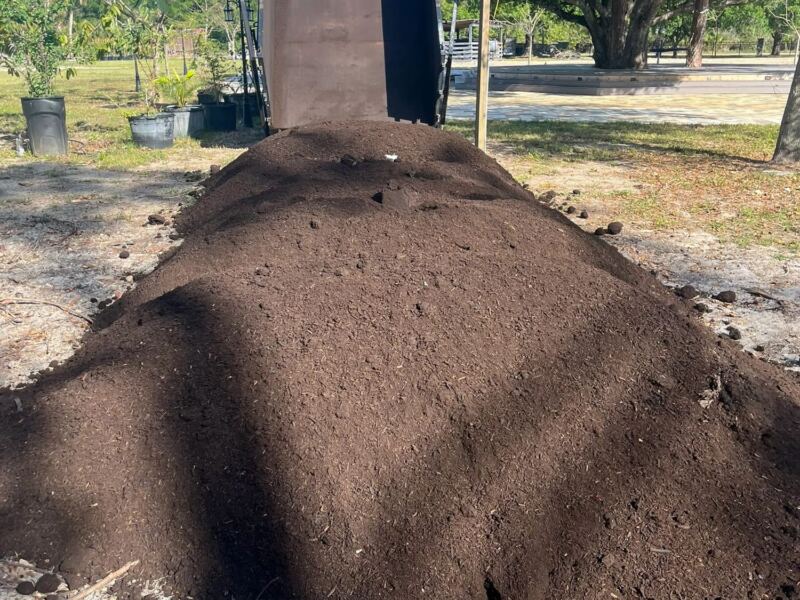 Soil
Topsoil
Screened growing layer for lawns, beds and sod prep.
$40.00 / cu yd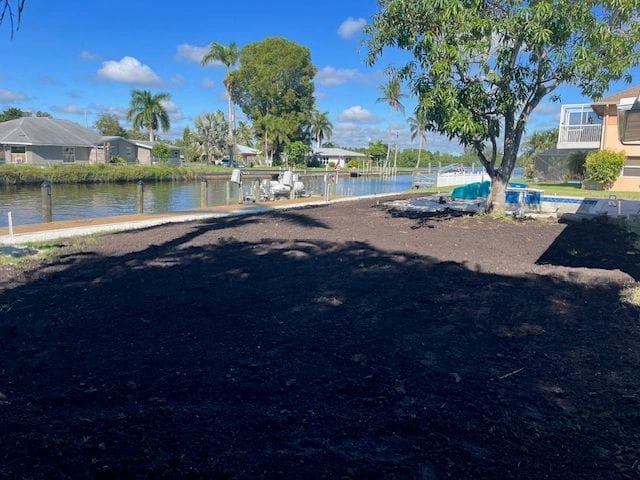 Soil
Fill Dirt
Volume for low spots, rough grading and building up grade.
$40.00 / cu yd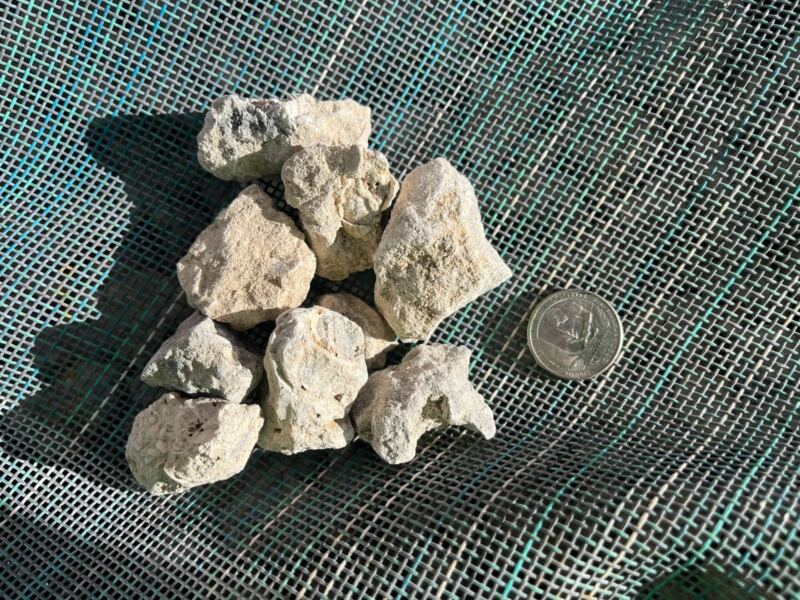 Stone
#57 Limestone
Coarse, angular stone for driveway bases, drainage and French drains.
$65.00 / cu yd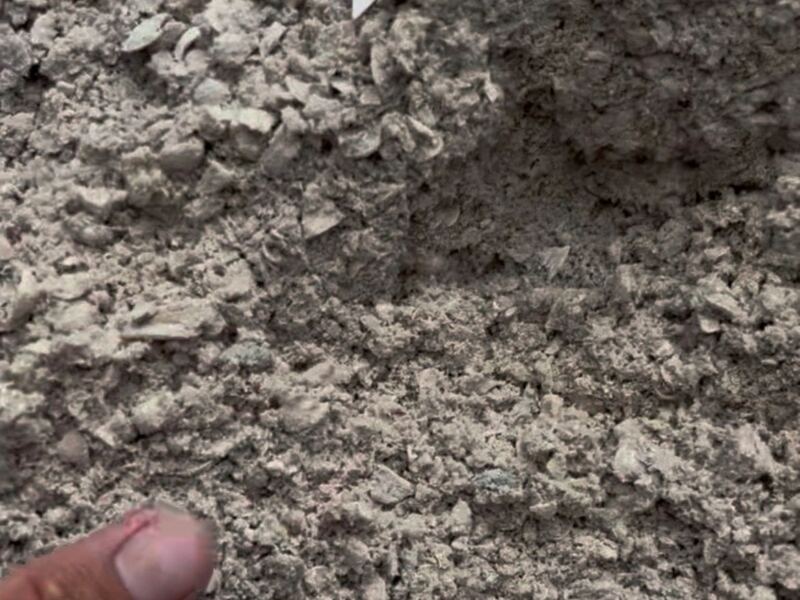 Stone
Paver Base
Compactable base that keeps patios, walks and drives level.
$45.00 / cu yd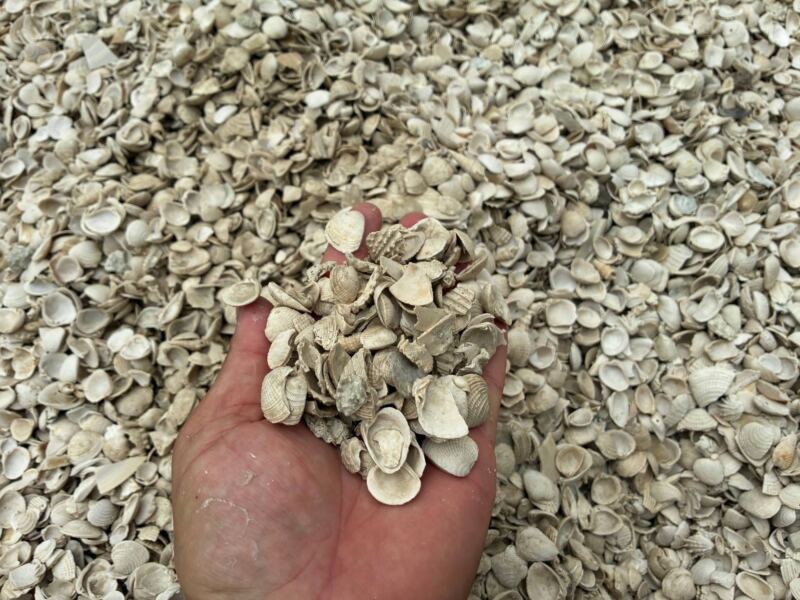 Shell
Small Crushed Shell
Fine coastal texture for paths, borders and planting areas.
$70.00 / cu yd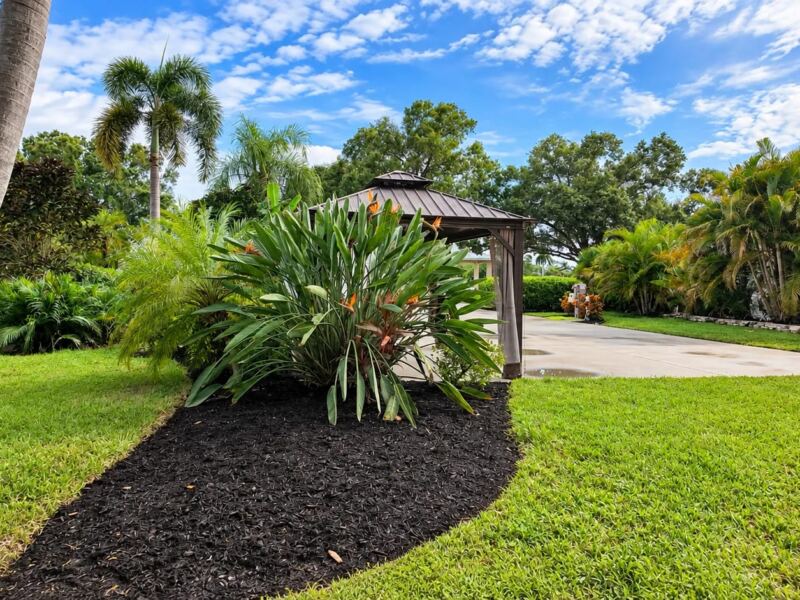 Mulch
Mulch
Holds moisture, moderates root temperature and finishes beds.
$50.00 / cu yd