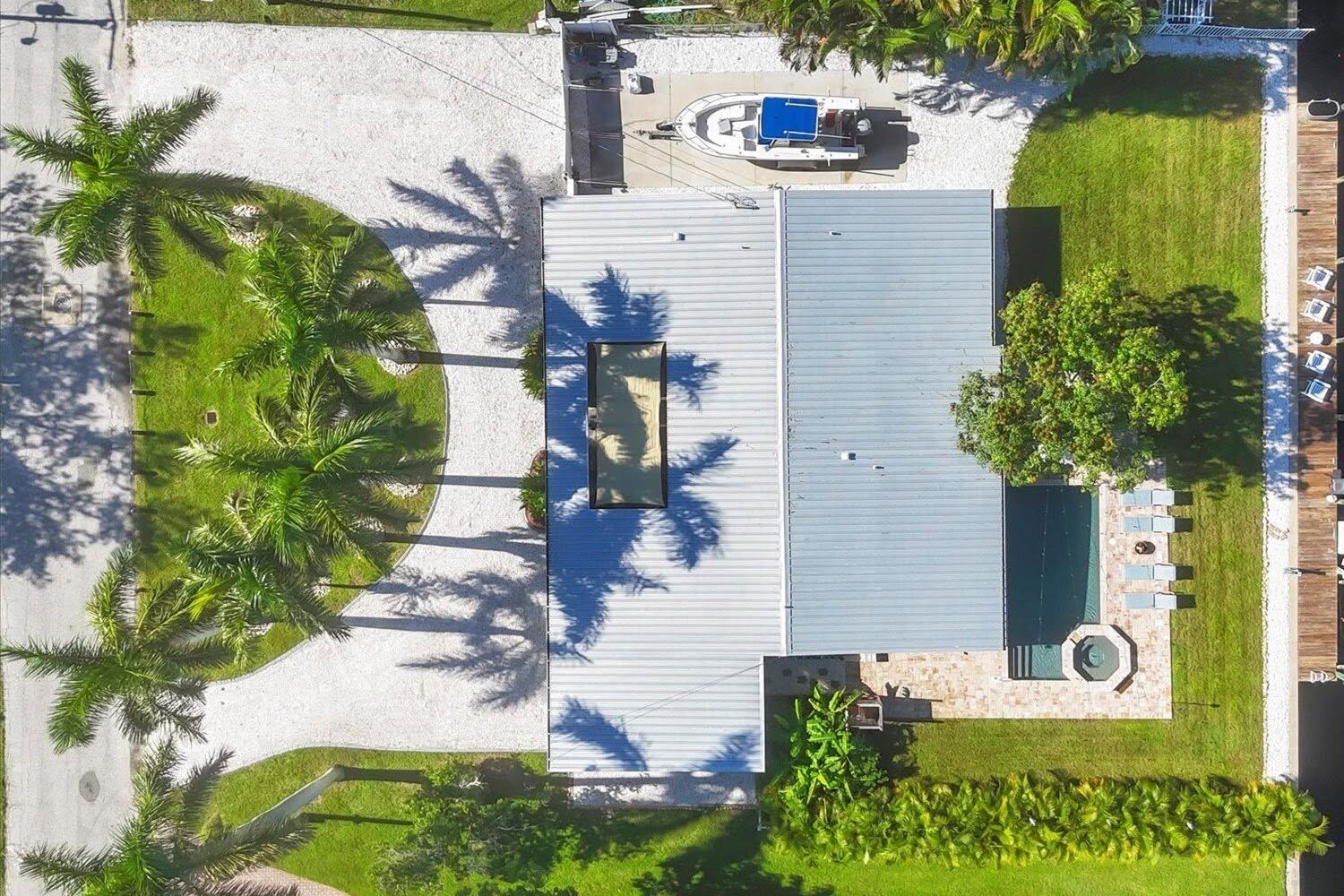
Shell and gravel drives are common around Fort Myers because they suit the climate, the look and the budget. They do move, though, and the pattern of the dips tells you whether you need a load of material or something more.
What is happening underneath
A loose surface sits on the ground rather than spanning it. Every time a vehicle passes, the weight goes through the shell into whatever is below. Where that ground is soft, damp or uncompacted sand, the surface material presses down into it and the level drops. Do it a few thousand times in the same wheel track and you have a rut.
At the same time, rain moves the loose material sideways. Water running along the drive carries shell toward the road, and any slope concentrates it. That is why the crown wears flat and the edges spread.
Read the pattern
- Two parallel ruts. Wheel tracks. The surface is thin for the traffic, or the base under it is soft. This is the most common pattern.
- A dip in one spot that keeps coming back. Something below is soft or settling, such as an old trench, a buried stump, or fill that was never compacted.
- Material washing to the road. Water is running the length of the drive. Grade, edging or a diversion matters more than more shell.
- A soft, spongy area after rain. Water is sitting under the drive. Drainage first, surface second.
- General thinning with no ruts. Normal wear. The shell has worked into the sand and it is time for a top-up.
When a top-up is the right answer
If the drive is firm to drive on and simply looks thin or patchy, adding material is exactly right. Rake out the high spots, fill the low ones, and add a consistent layer over the whole surface rather than patching only the dips, which leaves a lumpy drive. Medium shell and #89 limestone are both common finish layers. Topping up every few years is normal maintenance, not a sign something was done wrong.
When the base is the problem
If the ruts come back within months of a top-up, the surface is not the issue. What is missing is a compacted base that spreads the load, of the kind used under an RV pad: a coarse base material laid and compacted in layers, with the finish layer on top. It costs more up front and it stops the yearly cycle of filling ruts.
The same applies where the drive crosses ground that stays wet. No surface material fixes standing water. That is drainage work, and it goes first.
Small things that make a drive last
- Keep a slight crown so water sheds to the sides instead of running the length of the drive.
- Edge it where you can, so material cannot spread into the lawn.
- Do not let one spot take all the roof or yard runoff across the drive.
- Top up before it gets thin. A light refresh on a sound drive is far cheaper than rebuilding ruts.
- Mind the mower and the plow-style rake. Aggressive raking throws more material off the drive than traffic does.
Shell or limestone for the top-up?
Shell is lighter in color, softer underfoot and the traditional coastal look; it packs down and brightens over time. Limestone is grey, angular and locks up harder, which some people prefer on a slope. There is a full comparison in crushed shell vs. limestone for Florida driveways, and both are on the materials and prices page.
Not sure whether you need a top-up or a base? Send photos of the drive, ideally including a rut and the area after rain, with your request and we will tell you honestly which one you are looking at. The material calculator will estimate the yards once you know the depth.