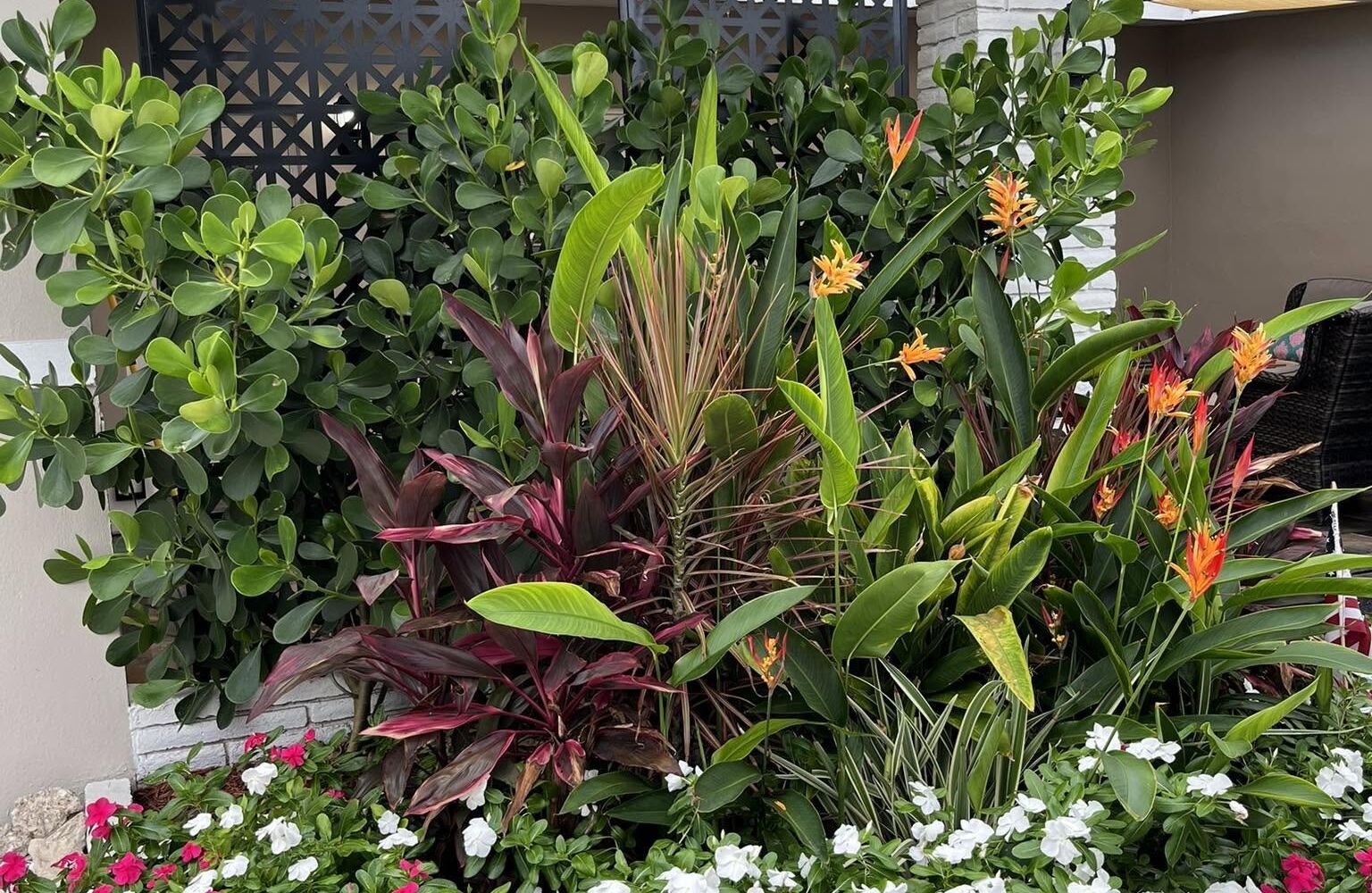
Design Your Outdoor Sanctuary
Imagine stepping into a backyard that feels like a seamless extension of your home—where lush greenery, functional spaces, and elegant hardscapes come together to create a private retreat. Thoughtful landscape design does more than beautify; it transforms underutilized yards into vibrant living spaces that enhance daily life and boost property value. Across suburban Fort Myers and throughout Southwest Florida, homeowners are rediscovering the power of intentional outdoor planning—combining climate-smart plant selection, strategic lighting, and durable materials to build landscapes that thrive year-round.
This guide walks you through seven essential steps to achieve a cohesive, purposeful design that stands the test of time. You’ll learn how to assess your space, select regionally appropriate flora, incorporate water-wise irrigation, and create zones for entertainment, relaxation, and play. Whether you’re starting from bare soil or revamping an outdated layout, these principles apply to yards of all sizes and styles.
By the end, you’ll have a clear roadmap for turning your vision into reality—balancing how it looks, how it works and how much upkeep it needs.
Step 1: Assess Your Yard & Define Your Vision
Transforming your outdoor space starts with a clear understanding of your current landscape and your goals for it. Begin by walking your property during different times of day to observe sunlight patterns, drainage issues, and shaded zones—especially important in Southwest Florida’s climate. Identify problem areas such as compacted soil, poor grading, or overgrown vegetation that may hinder usability or plant health.
Next, define how you want to use the space. Do you need a kid-friendly lawn, a low-maintenance garden, or an entertainment area with room for seating and outdoor cooking? Consider local factors like humidity, seasonal weather shifts, and native plant compatibility to ensure long-term success.
Create a simple sketch of your yard, marking existing features like trees, walkways, and utilities. Note any HOA guidelines or local zoning rules that may affect design choices. Tip: Take photos from multiple angles to reference later.
Finally, prioritize your needs vs. wants. A realistic plan balances aesthetics, function, and budget. By clearly assessing your site and setting intentional goals, you lay the foundation for a beautiful, sustainable landscape that enhances your home’s curb appeal and outdoor living experience.
The 5 Essential Elements That Define Stunning Outdoor Spaces
Creating a visually striking and functional landscape goes beyond simply planting a few shrubs or laying sod. Mastering the art of landscape design means understanding the core elements that bring harmony, depth, and personality to your outdoor environment. By focusing on these five foundational components, homeowners across Florida and similar climates can transform their yards into balanced, inviting retreats.
- Balance: Achieving Visual Equilibrium
Balance ensures no single area of your yard feels overwhelming. Symmetrical balance—mirroring plants and structures on either side of an axis—works well for formal gardens. Asymmetrical balance, using different plants with similar visual weight (like a large palm opposite a cluster of shrubs), adds dynamic interest ideal for coastal landscapes. This principle prevents overcrowding and guides the eye naturally. - Texture: Layering for Depth and Interest
Varying leaf sizes, bark patterns, and ground cover types create dimension. Pair broad-leafed tropicals (like banana plants) with fine-textured grasses for contrast. In hot, sunny regions, using textured mulches or crushed shells not only elevates aesthetics but also helps retain soil moisture. - Color: Guiding Mood and Movement
Strategic color placement influences how spaces are experienced. Warm hues (red, orange) attract attention and work well near seating areas. Cool tones (blue, purple) recede, making spaces feel larger—ideal for smaller backyard retreats. Use flower beds and foliage to create color rhythms that flow through the landscape. - Focal Points: Drawing the Eye Purposefully
A well-placed fountain, specimen tree, or garden sculpture serves as a visual anchor. Focal points break up monotony and give resting places for the eye. In open Southwest Florida yards, elevated planters or citrus trees can double as focal elements and functional shade providers. - Proportion: Scaling Elements to Space
Size matters—oversized trees can overwhelm a modest patio, while tiny flowers get lost in expansive lawns. Choose plants and features that fit the natural scale of your property. For example, low-growing liriope borders suit narrow walkways, while grand royal palms suit wide, open driveways. Proper proportion ensures cohesion and long-term visual appeal as plants mature.
Master Your Yard’s Natural Conditions for Lasting Beauty
Every stunning landscape starts with an honest assessment of the ground beneath it. Homeowners across Fort Myers and similar climates often face recurring challenges—poor drainage after heavy rains, scorching sun exposure, and sandy or compacted soil—that can undermine even the most thoughtful design plans. Addressing these elements early ensures your outdoor space thrives year-round.
Start by observing how water moves across your property after rainfall. Areas where puddles linger indicate poor drainage, which can drown plant roots and erode hardscape materials over time. Consider installing French drains, dry creek beds, or grading adjustments to redirect flow. For sun exposure, track which areas receive full sun, partial shade, or full shade throughout the day. This determines which region-appropriate plants—like drought-tolerant succulents for sunny zones or shade-loving ferns—will flourish.
Soil quality is another silent factor. Most native soils lack the balanced pH, nutrients, and structure needed for healthy growth. Simple soil tests can reveal deficiencies, guiding decisions to amend with compost, mulch, or organic matter. Raised beds or engineered soils are excellent for gardens in particularly challenging spots. By tackling drainage, sunlight, and soil head-on, you lay the foundation for a resilient, vibrant landscape that matures beautifully over time.
Your Questions Answered: Working With Landscape Design Pros
How long does a typical landscape design project take from start to finish?
Timelines vary based on project complexity and local climate conditions, especially in regions like Southwest Florida where seasonal weather affects outdoor work. Small to medium backyard transformations often take 6–10 weeks, including design consultation, permitting (if needed), installation, and planting. Larger estates or properties requiring hardscaping, grading, or irrigation may take several months. A detailed project schedule should be provided early so you know what to expect at each phase.
What factors influence the cost of professional landscape design?
Costs depend on yard size, material selections, plant maturity, hardscape elements (like patios or retaining walls), and labor intensity. Softscaping (plants, mulch, sod) typically costs less than hardscaping (stone, pavers, water features). Design fees are often based on an hourly rate or flat project cost. Request a detailed breakdown to understand where your budget is allocated.
Do I need to be home during the project?
Most designers require only initial planning meetings and final walk-throughs. Daily supervision is usually managed by the contractor or project lead, minimizing homeowner involvement.
How do I maintain my new landscape after installation?
A sustainable design includes low-maintenance plants suited to your region’s soil and rainfall. Ask for a care guide covering irrigation schedules, pruning seasons, fertilization, and pest prevention tailored to your area.
Can I make changes once the design process starts?
Minor tweaks are often possible, but major changes after installation begins can increase costs and delays. Clear communication early on helps avoid surprises.
What’s the difference between a landscaper and a landscape designer?
Designers focus on planning, aesthetics, and functional layout using principles like grading, drainage, and plant compatibility. Landscapers typically implement and maintain the plan. Many professionals offer both services.
Is landscape design worth the investment?
A well-executed design improves curb appeal and creates outdoor living space you actually use designed for your lifestyle and local environment.
Your Outdoor Vision, Brought to Life
Creating a beautiful landscape design isn’t just about aesthetics—it’s about transforming your outdoor space into a functional, inviting extension of your home. Whether you’re in Fort Myers or another part of Florida, a well-planned landscape improves curb appeal, supports local wildlife and makes the yard easier to live with. By following the seven steps—from evaluating your current layout to selecting climate-appropriate plants—you lay the foundation for a resilient, low-maintenance yard that thrives year-round.
A thoughtful design balances hardscape elements like walkways and patios with softscape features such as native plants and ground covers, ensuring efficient irrigation and sustainable growth. In subtropical climates, proper drainage, shade placement, and heat-tolerant species are key to long-term success. Remember, every great landscape starts with a single step: assessing your space with a clear vision in mind.
Now’s the time to walk your yard, sketch ideas, and prioritize your goals—whether it’s creating a family-friendly backyard, designing a private garden retreat, or improving outdoor living for entertaining. Use what you’ve learned to make informed choices about materials, plantings, and layout. For those ready to move forward, consider consulting a local landscape professional who understands regional soil types, permitting requirements, and seasonal patterns. Your dream outdoor oasis is within reach—start shaping it today.
Working through this in Southwest Florida? Our landscape design page explains how we plan a yard, and installation covers the build. For the ground itself, see landscape materials for sandy soil, how much water Florida plants need and materials and prices. Not sure where to start? Start with what you are seeing in the yard.